

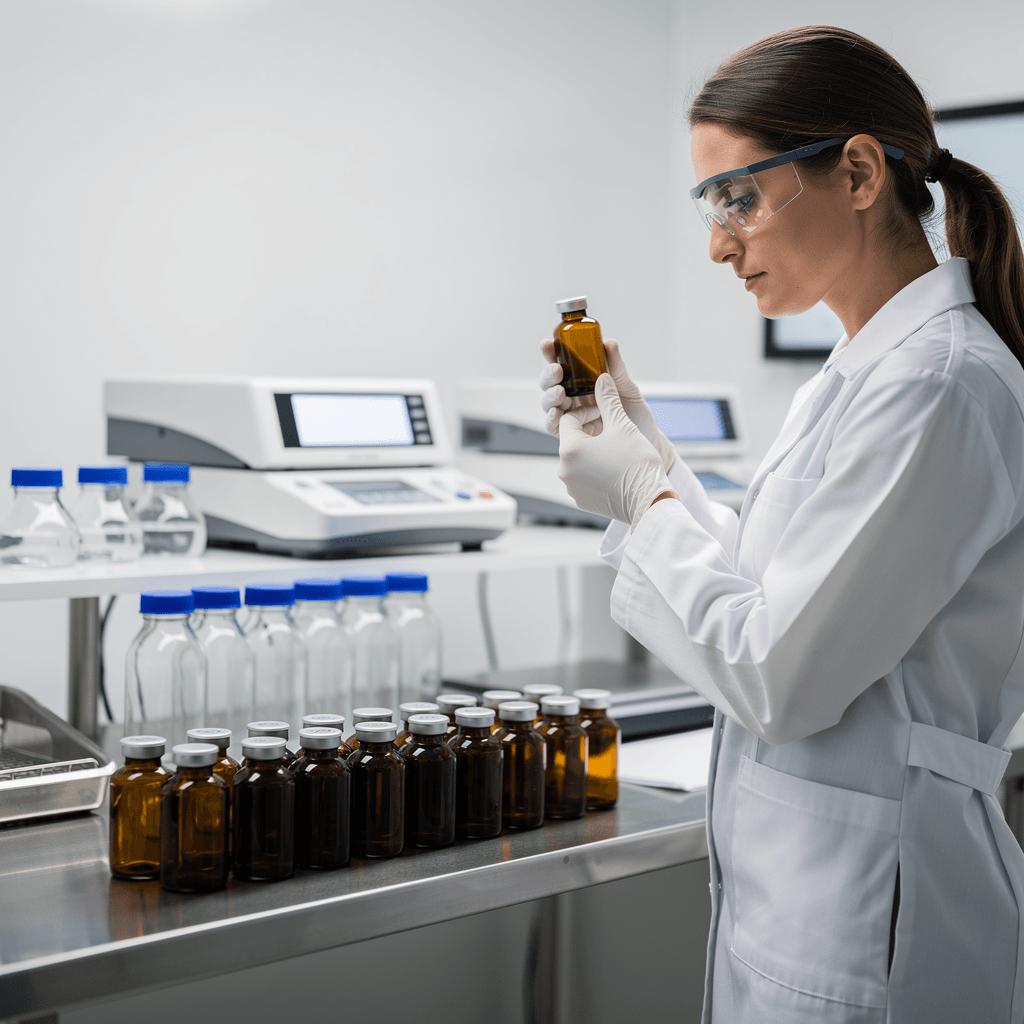
A scientist opens a storage cabinet and selects a familiar glass vial for an upcoming experiment. The choice seems routine, yet the container itself may influence what the laboratory eventually measures. Different materials interact with samples in different ways, sometimes introducing unexpected changes during storage or analysis. Researchers exploring pura peptides AOD-9604 should consider container compatibility alongside appropriate research documentation. Choosing laboratory packaging is not simply about convenience or appearance. It requires understanding whether the selected material can preserve the properties relevant to an approved investigation.
Understand How Containers Affect Samples
Laboratory containers are manufactured from materials with different chemical and physical characteristics. Glass, plastic, and specialized polymers may behave differently when exposed to particular substances or environmental conditions. In some circumstances, components can interact with container surfaces, affecting the material available for later measurement. These interactions depend on the sample, container composition, and intended procedure. Researchers should therefore avoid assuming that every laboratory vessel is interchangeable. Container selection deserves attention whenever the integrity of stored or prepared material matters to the experimental question.
Consider Surface Interactions During Storage
Some research substances may interact with the surfaces they contact, potentially influencing the amount recovered during analysis. Such behavior is not universal and should be evaluated using evidence relevant to the particular material. Even when a container appears clean and undamaged, its surface characteristics may affect certain measurements. Researchers should examine applicable compatibility information and documented method requirements before interpreting unexpected differences. Understanding these interactions helps laboratories distinguish possible container-related effects from changes originating in the sample or the instrument itself.
Keep Supplier Specifications Scientifically Separate
A scientist reviewing Buy AICAR for Research may encounter information about research materials and their supplied packaging. However, that information does not automatically establish compatibility with every container a laboratory might use afterward. Supplier documentation, local storage practices, and analytical requirements should be assessed independently. Changing a container without considering its suitability can introduce uncertainty into an otherwise consistent procedure. Researchers should preserve the distinction between the original product presentation and the conditions under which materials are subsequently handled during approved laboratory work.
Evaluate Light and Environmental Exposure
Container design may influence exposure to light, moisture, and other environmental conditions relevant to certain research materials. Transparent and light-protective containers serve different purposes, but neither is universally appropriate for every compound. Laboratories should determine which characteristics matter based on material-specific evidence and established procedures. Storage location alone may not address every potential concern. A suitable container, combined with relevant environmental controls, helps researchers maintain a clearer understanding of the conditions their samples experienced before analysis or further evaluation.
Examine Risks From Container Components
Laboratory containers may introduce analytical concerns beyond their main construction material. Closures, liners, seals, and other components can have properties relevant to particular substances or measurement techniques. Under some conditions, components may contribute interfering substances or affect sample integrity. Researchers should evaluate the entire container system when the method requires it, rather than focusing only on whether the vessel is glass or plastic. Relevant technical documentation and appropriate testing can help determine whether a packaging component introduces uncertainty into the analytical results.
Record Container Changes Between Experiments
A research project may switch container suppliers or packaging formats because of availability, cost, or operational needs. Although the replacement appears similar, its characteristics may not be identical. Laboratories should document relevant changes and determine whether additional compatibility review is necessary under their approved methods. Keeping container information connected to sample identifiers allows later investigators to examine possible relationships between packaging and results. This is particularly important when researchers compare data collected across different batches, projects, or periods of laboratory operation.
Include Containers in Method Reviews
Experimental method reviews commonly examine instruments, reagents, and analytical calculations. Container selection can receive less attention despite its potential influence on certain measurements. Researchers should identify whether the vessel is relevant to the method and what evidence supports its use. If an unexpected result emerges, this information provides another possible factor to investigate. The goal is not to question every piece of laboratory glassware unnecessarily. It is to ensure that important material-contact decisions receive appropriate scientific consideration before they affect interpretation.
Conclusion
Imagine two identical experiments producing different findings because their samples spent time in different containers. The explanation might be overlooked if investigators focus exclusively on instruments and calculations. For laboratories exploring the research catalog at purapeptides.com, container compatibility deserves its own place in material planning. A practical improvement is to record packaging decisions whenever they could affect a study’s measurements. The vessel holding a sample may seem unimportant, but scientific accuracy sometimes depends on recognizing the influence of something researchers barely notice.